
Introduction
Choosing the right insulation material plays a vital role in improving energy efficiency, reducing operating costs, and enhancing the overall performance of residential, commercial, and industrial buildings. Among the many insulation options available today, Polyurethane foam insulation has become one of the most trusted solutions due to its exceptional thermal performance, lightweight construction, and impressive durability.
Whether it is used in modern building envelopes, refrigerated storage, transportation, marine engineering, or manufacturing, Rigid polyurethane foam offers an outstanding combination of insulation strength and structural integrity. Its closed-cell composition helps minimise heat transfer while providing excellent resistance to moisture, chemicals, and long-term wear.
As industries continue to demand materials that deliver superior performance without adding unnecessary weight, rigid polyurethane insulation has become a preferred choice across a wide range of applications.
What Is Polyurethane Foam Insulation?
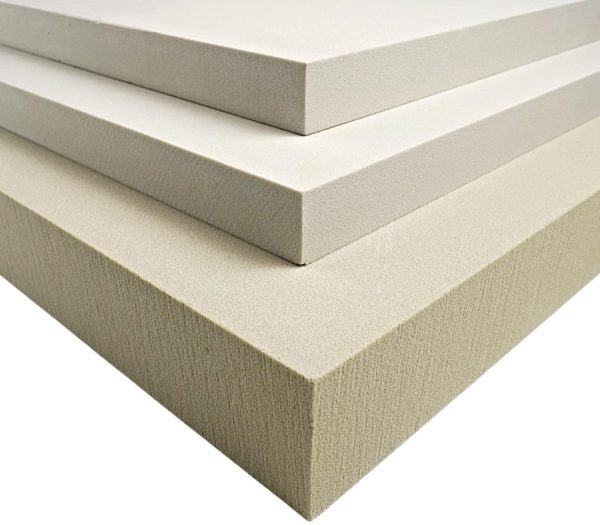
Polyurethane foam insulation is a closed-cell insulation material manufactured to provide exceptional thermal resistance while remaining lightweight and easy to fabricate. It is available in sheets, custom-cut components, and engineered panels designed for numerous industrial and commercial applications.
One of its biggest advantages is its extremely low thermal conductivity, allowing buildings and equipment to maintain stable internal temperatures with less energy consumption. This makes polyurethane insulation suitable for projects where space is limited but high insulation performance is essential.
In many applications, Rigid polyurethane foam serves both as an insulating layer and as a structural core, making it valuable for composite manufacturing and engineered construction systems.
Why Rigid Polyurethane Foam Is Widely Preferred
Modern construction projects require insulation materials that perform reliably over many years without losing effectiveness. Rigid polyurethane foam has earned its reputation because it successfully combines insulation performance, mechanical strength, and long-term durability.
Its closed-cell structure helps trap insulating gases within the foam, significantly reducing heat transfer compared to many conventional insulation materials.
Some of the key performance characteristics include:
- Excellent thermal insulation
- Lightweight but structurally strong
- High compressive strength
- Good chemical resistance
- Moisture-resistant closed-cell structure
- Long operational lifespan
- Easy fabrication into customised components
These qualities make polyurethane insulation suitable for both standard and specialised engineering applications.
Excellent Thermal Efficiency
One of the primary reasons businesses choose Polyurethane foam insulation is its outstanding thermal performance.
Rigid polyurethane products typically offer thermal conductivity values ranging between approximately 0.022 and 0.028 W/mK, allowing excellent insulation even with relatively thin panels.
This high level of efficiency delivers several practical advantages:
- Reduced heating and cooling costs
- Improved indoor comfort
- Lower energy consumption
- Reduced carbon emissions
- Greater design flexibility due to thinner insulation
Because the insulation performs so efficiently, architects and engineers can maximise usable internal space without compromising thermal performance.
Applications Across Multiple Industries
The versatility of Rigid polyurethane foam allows it to be used across numerous industries where insulation, strength, and lightweight construction are required.
Construction Industry
Commercial and residential buildings rely on polyurethane insulation to improve energy efficiency and comply with modern building regulations.
Applications include:
- Roof insulation
- External wall systems
- Floor insulation
- Composite wall panels
- Insulated building envelopes
Its ability to reduce heat loss contributes significantly to lower lifetime energy costs.
Refrigeration and Cold Storage
Cold storage facilities require insulation that can maintain consistently low temperatures while minimising energy use.
Polyurethane foam insulation is commonly used in:
- Cold rooms
- Refrigerated warehouses
- Freezer panels
- Food processing facilities
- Insulated transport vehicles
Its low thermal conductivity helps preserve temperature stability while reducing refrigeration costs.
Transportation Industry
Weight reduction remains a major objective in transportation manufacturing.
Because Rigid polyurethane foam provides exceptional strength without adding unnecessary mass, it is frequently used in:
- Isothermal truck bodies
- Commercial vehicles
- Rail transport
- Marine vessels
- Aircraft interiors
Its combination of insulation and structural support makes it ideal for advanced transport engineering.
Marine Applications
Marine environments expose materials to constant moisture and harsh operating conditions.
Polyurethane insulation is often selected for:
- Yacht engine rooms
- Boat construction
- Marine composite structures
- Thermal insulation systems
Its moisture resistance and structural stability help ensure reliable long-term performance.
Structural Strength Without Excess Weight
Another major benefit of Rigid polyurethane foam is its remarkable strength-to-weight ratio.
Rather than acting solely as insulation, it also functions as a structural core material inside composite panels and engineered products.
Industries use structural polyurethane foam for:
- Composite panels
- Bus manufacturing
- Rail interiors
- Aircraft structures
- Military equipment
- Industrial machinery
Available in a wide range of densities, these materials can be selected according to the structural requirements of each project.
Moisture Resistance for Long-Term Performance
Insulation materials exposed to moisture often lose efficiency over time. Fortunately, Polyurethane foam insulation performs exceptionally well in humid environments.
Its closed-cell construction helps resist:
- Water penetration
- Moisture absorption
- Mould growth
- Mildew formation
- Vapour movement
This makes it particularly suitable for refrigeration systems, marine applications, industrial buildings, and external insulation projects where moisture control is essential.
Chemical Resistance in Demanding Environments
Industrial applications frequently expose insulation materials to oils, solvents, and manufacturing chemicals.
Rigid polyurethane foam demonstrates resistance to many substances including:
- Oils
- Styrene
- Polyester resins
- Various industrial solvents
This durability allows the material to maintain performance in manufacturing plants and demanding engineering environments.
Fire Performance and Phenolic Foam Options
Certain projects require insulation materials with enhanced fire performance.
Phenolic rigid foam provides exceptional fire resistance and is commonly selected for projects where strict fire regulations must be met.
Key fire-related advantages include:
- Minimal flame spread
- Extremely low smoke production
- Low toxic gas emissions
- Thermoset structure that does not melt or drip
- High-performance fire classifications for international construction standards
These characteristics make phenolic foam suitable for commercial buildings, high-rise developments, and specialised industrial installations.
Foam Conversion for Custom Engineered Solutions
Every project has unique design requirements, which is why foam conversion has become an essential manufacturing process.
Foam conversion transforms standard foam materials into customised components using precision equipment such as:
- CNC profiling machines
- Water jet cutting
- Band saw cutting
- Laminating
- Die cutting
- Spray coating
- Precision slitting
This enables manufacturers to produce bespoke components that perfectly match customer specifications.
Custom conversion allows Polyurethane foam insulation to be adapted for complex engineering challenges across many industries.
Acoustic and Thermal Performance Together
Many industrial environments require both thermal insulation and effective noise reduction.
Foam products can be engineered to provide:
- Thermal insulation
- Sound absorption
- Vibration reduction
- Acoustic comfort
Applications include:
- Machinery enclosures
- Generator housings
- Engine compartments
- Vehicle interiors
- Commercial buildings
- Manufacturing facilities
This dual functionality helps improve workplace comfort while protecting equipment.
Environmental Advantages
Energy-efficient buildings play an important role in reducing environmental impact.
By improving insulation performance, Rigid polyurethane foam contributes to:
- Reduced carbon emissions
- Lower energy consumption
- Improved building efficiency
- Longer product lifespan
- Reduced operational costs
Many modern polyurethane insulation products are also manufactured using environmentally responsible processes, including CFC-free and HCFC-free formulations.
As sustainability continues to influence construction standards, polyurethane insulation remains an effective solution for meeting modern energy performance goals.
Benefits of Polyurethane Foam Insulation
Choosing Polyurethane foam insulation offers numerous practical advantages for building owners, contractors, and manufacturers.
Some of the most important benefits include:
- Outstanding thermal efficiency
- Lightweight yet structurally strong
- Excellent moisture resistance
- Long-lasting durability
- High compressive strength
- Chemical resistance
- Suitable for customised fabrication
- Lower heating and cooling costs
- Reduced building energy consumption
- Reliable performance across multiple industries
Its versatility allows it to deliver consistent results in construction, transportation, refrigeration, marine engineering, and industrial manufacturing.
Choosing the Right Insulation Solution
Selecting the appropriate insulation depends on several project requirements, including thermal performance, structural needs, environmental conditions, and available installation space.
For projects demanding high insulation values with minimal thickness, Rigid polyurethane foam is often one of the most effective choices. When combined with precision foam conversion techniques, it can also be manufactured into custom components that meet highly specialised engineering requirements.
Working with experienced foam manufacturers ensures that every product is designed to meet the required performance standards while providing reliable long-term value.
Conclusion
As industries continue to prioritise energy efficiency, durability, and sustainability, Polyurethane foam insulation remains one of the most advanced insulation materials available. Its excellent thermal performance, lightweight construction, moisture resistance, and impressive structural strength make it suitable for everything from commercial buildings and refrigerated facilities to transport, marine, and industrial applications.
In addition, Rigid polyurethane foam offers exceptional flexibility through custom foam conversion processes, enabling manufacturers to produce tailored solutions for even the most demanding engineering projects. Whether the goal is reducing energy costs, improving structural performance, or creating high-performance composite components, polyurethane insulation delivers reliable, long-lasting results that meet the evolving needs of modern construction and manufacturing.
