
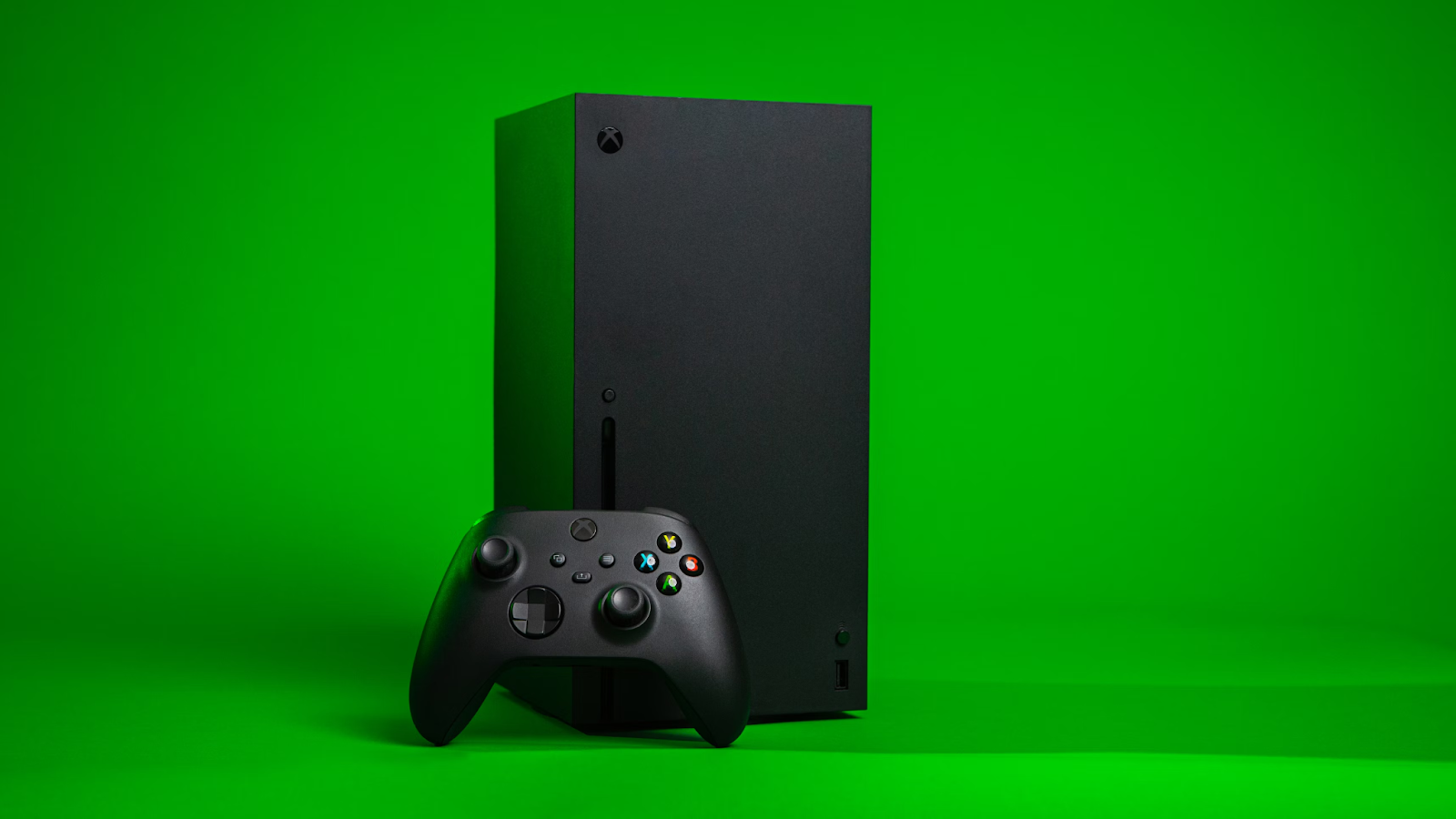
The first console should feel like a gateway, not a gamble. In 2026 the choice is less about raw teraflops and more about fit. Platform perks, exclusive libraries, controller comfort, and cross play rules shape daily reality. A good decision aligns living room habits, favorite genres, and budget rhythms with a system that keeps momentum high.
Anchoring the choice in real use helps more than spec sheets. A quick example from mobile gaming makes the point. Snackable sessions like crazy balls mobile reward fast boot times, responsive input, and low friction. A living room console should echo that ease. If setup, downloads, or updates keep getting in the way, shiny hardware will not save the experience.
Start With Playstyle Not Hype
Playtime patterns decide value. Story epics and single player RPGs thrive where narrative libraries are strong and save systems are rock solid. Competitive shooters and racers demand low latency, reliable matchmaking, and thriving communities. Local co op fans need simple guest profiles and flexible controller pairing. Family households benefit from robust parental controls and smart content filters.
Quick Questions That Clarify the Target
- Favorite genres right now and two to explore next
- Typical session length on weeknights and weekends
- Number of players in the room on an average evening
- Desire for subscriptions or preference for permanent ownership
- Need for portable play or fixed TV sessions only
Once this sketch exists, platform brochures become easier to read. Features that match the sketch move up the list. Features that ignore the sketch move out of the way.
A short in store test drive can validate comfort in minutes. Controller shape, stick resistance, trigger feel, and vibration tuning matter more than marketing claims. If hands relax and inputs land without thought, long sessions will be kinder to wrists and shoulders.
Subscriptions, Ownership, and Backlog Reality
Catalog passes are useful for new players with broad curiosity. A rotating library lowers the cost of discovery and prevents buyer’s remorse. Ownership still wins for a few evergreen favorites and long campaigns that repay replays. The healthiest approach mixes both. Subscribe during heavy release seasons, cancel during backlog months, and buy keepers during sales.
Cloud play now works well for demos and travel. For ranked competition or rhythm games, local installs remain the safer bet. If bandwidth is shared in a busy household, a console with smart background throttling and scheduled downloads will avoid evening slowdowns. Storage expansions should be treated as part of the budget rather than a surprise later.
Ecosystem Fit And Everyday Quality
Cross save support prevents progress from getting trapped. Cross play keeps friend groups together. Mobile companion apps help queue downloads and manage screenshots without turning on the TV. Accessibility menus with remapping, subtitle size, color blindness filters, and hold toggle options serve more players and future proof the purchase.
Home theater details matter. HDR tone mapping, variable refresh rate, and solid upscaling make older titles look cleaner. Quiet fans and efficient standby lower energy bills. A stable sleep resume that jumps back into a paused scene can do more for happiness than a small frame rate bump.
Hidden Costs That Change The Math
- Extra controllers for local co op and their charging docks
- Official storage expansion or fast external drives for captures
- Online service fees and cloud saves where required
- Headsets or adapters for voice chat and spatial audio
- Protective cases and stands if space is tight
These costs are normal but easy to ignore during checkout. A transparent budget prevents guilt later and keeps the focus on games rather than accessories.
What To Test In The First Week
The return window is a powerful tool. The first seven days reveal whether a console matches real life or only looks good on paper. Run a few stress tests. Install a long game and a fast arcade title. Join a voice party. Try local co op with a friend. Capture a clip, share a screenshot, and resume after standby. Reliability in these basics predicts long term comfort.
First Week Shakedown List
- Cold boot to game time under a minute with no update surprises
- Quick resume that survives a day of standby without errors
- Controller battery life that covers an evening without charging
- Matchmaking that fills lobbies fast during local prime hours
- Store navigation that makes refunds and parental settings simple
If any item fails twice, consider a different model. A system should bend to habits, not habits to a system.
After this shakedown, start building a small library that reflects taste rather than trends. One comfort title, one long project, one competitive or social pick. This trio keeps variety high without spreading attention too thin. When a game earns long sessions, look for DLC bundles or complete editions to lock in value.
The Bottom Line
Choosing a first console in 2026 becomes simple when the decision starts with playstyle and ends with proof. Map habits, test comfort, measure everyday quality, and account for hidden costs. Subscriptions can open doors, ownership can anchor favorites, and cloud options can fill gaps during travel. With that mix tuned, the console becomes a steady part of the week instead of an expensive ornament. The best sign of a good choice is quiet reliability. Power on, play begins, and the living room feels built around games rather than menus.
