



Introduction
Electricity is essential to almost every modern property, from homes and rental accommodation to offices, workshops, warehouses and industrial facilities. However, an electrical system can develop faults that are difficult to notice during everyday use. Damaged cables, loose connections, overloaded circuits and deteriorating components can all create risks if they are left unchecked.
This is where professional Electrical Testing Telford Electrical Testing Shropshire services can make a significant difference. Testing is not simply about finding something that has already gone wrong; it is a proactive way to understand the condition of an electrical installation and identify problems before they become serious.
For property owners and businesses across Telford and the wider Shropshire area, regular inspection and testing can help improve safety, support legal compliance and provide greater confidence in the condition of an electrical system.
What Is Electrical Testing and Why Does It Matter?
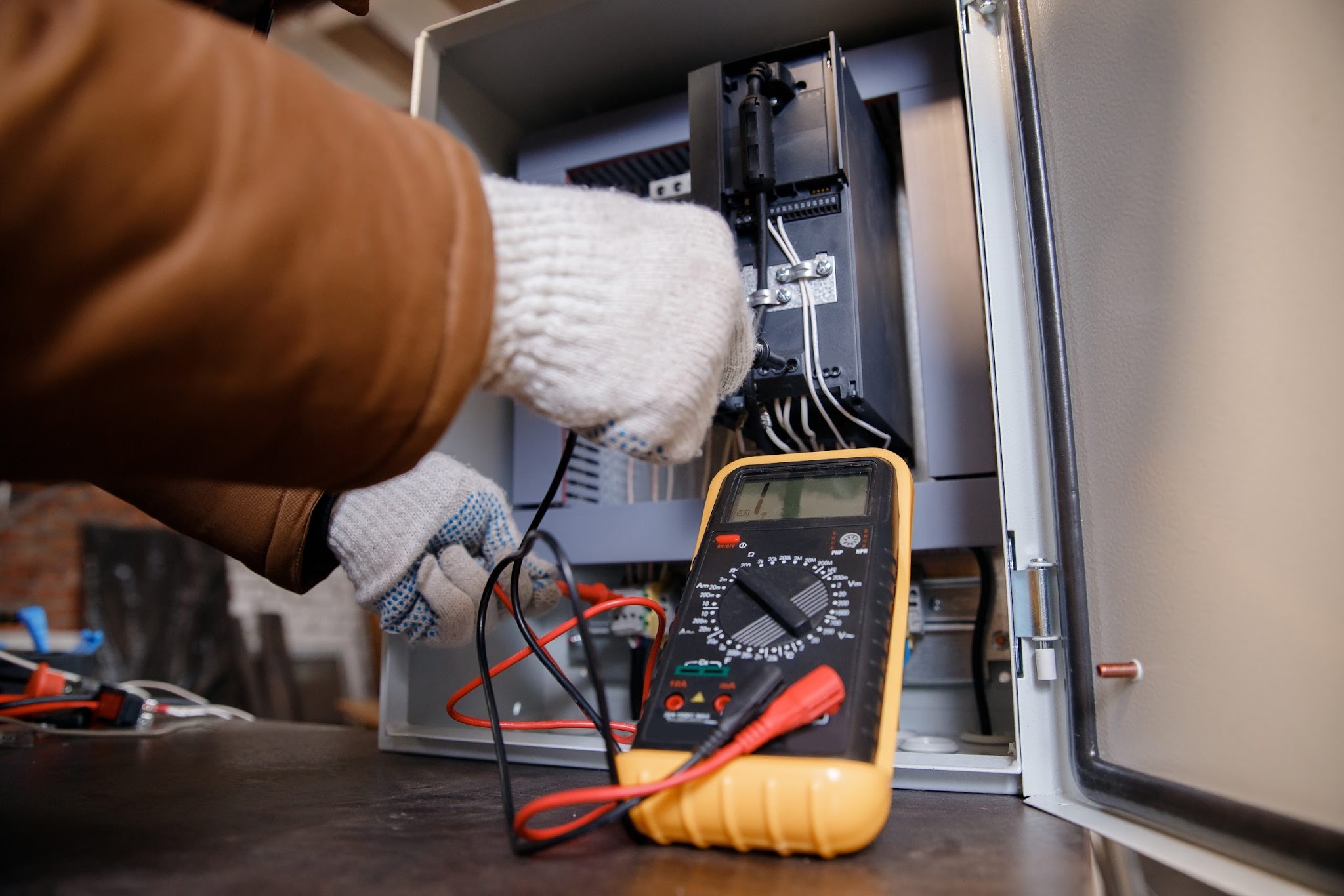
Electrical testing involves examining an installation and carrying out appropriate tests to determine whether its components and circuits are operating safely. Professional electricians can inspect wiring, protective devices, connections, consumer units and other electrical equipment to identify defects or potential hazards.
A system may appear to work perfectly while still containing hidden problems. For example, an ageing cable may have deteriorated insulation, while a connection inside a consumer unit could have become loose over time. These issues may not be obvious to a property owner simply switching lights or appliances on and off.
Professional testing provides a much clearer picture of the installation’s condition.
For landlords, homeowners and commercial property managers, Electrical Testing Shropshire services can therefore form an important part of responsible property maintenance.
Common Problems Testing Can Help Identify
A qualified electrician may uncover issues such as:
- Damaged or deteriorated wiring
- Faulty protective equipment
- Poor or loose electrical connections
- Overloaded circuits
- Inadequate earthing or bonding
- Defective electrical components
- Unsafe alterations or additions
- Potential fire and shock hazards
Finding these problems early can allow appropriate remedial work to be planned instead of waiting for a dangerous fault or unexpected electrical failure.
Understanding BS 7671 Electrical Inspection Reports
Electrical inspection and testing in the UK is commonly associated with the requirements of BS 7671, the IET Wiring Regulations. Depending on the circumstances, different forms of certification and reporting may be required.
Electrical Installation Certificate (EIC)
An Electrical Installation Certificate is generally associated with new electrical installations, as well as alterations or additions to existing systems.
It provides confirmation that the electrical work has been inspected and tested and that the installation complies with the relevant requirements. This can be particularly important following major electrical work, rewiring or the installation of new circuits.
An EIC gives the property owner documentation showing what work has been completed and that appropriate verification has taken place.
Electrical Installation Condition Report (EICR)
An Electrical Installation Condition Report, commonly known as an EICR, is used to assess the condition of an existing electrical installation.
Rather than focusing only on newly completed work, an EICR considers whether an existing system remains suitably safe for continued use. The inspection can highlight defects, deterioration and areas requiring attention.
For landlords and property managers, an EICR can be particularly important because electrical safety is an ongoing responsibility rather than a one-off consideration.
Who Can Benefit From Electrical Testing Telford Services?
Electrical inspection is relevant to far more than just domestic homeowners. Different types of properties can have different electrical demands, making regular assessment particularly valuable.
Homeowners
A homeowner may consider electrical testing when purchasing an older property, after significant electrical alterations, or when the installation has not been inspected for a long time.
Testing can provide reassurance about the condition of the home’s wiring and electrical equipment. It may also identify improvements that could make the installation safer and more dependable.
Landlords and Rental Properties
Landlords have an important responsibility to maintain electrical safety for their tenants. An appropriate inspection can help identify defects before they create risks for occupants.
Electrical documentation can also demonstrate that reasonable steps have been taken to monitor and maintain the installation. Where required, landlords must provide tenants with the relevant electrical safety report within the applicable timeframe.
Commercial and Industrial Premises
Businesses often rely on significantly more complicated electrical infrastructure than residential properties. Offices, workshops, warehouses and manufacturing environments may use three-phase equipment, machinery, data cabling, security systems, specialist lighting and other electrical installations.
For these environments, Electrical Testing Shropshire can be incorporated into planned maintenance and compliance programmes to help businesses keep their electrical infrastructure dependable.
The Benefits of Regular Electrical Testing
Electrical testing should not be viewed merely as another maintenance expense. A well-planned inspection can provide several practical benefits for property owners and businesses.
1. Improved Safety
The most important benefit is the ability to identify electrical hazards before they result in injury, fire or significant property damage.
Testing can reveal faults that may otherwise remain unnoticed until an incident occurs.
2. Better Regulatory Compliance
Electrical systems in workplaces must be properly constructed and maintained to avoid danger. Regular inspection and appropriate documentation can help businesses and property owners demonstrate that electrical safety is being taken seriously.
For landlords, keeping up with applicable electrical safety requirements is particularly important.
3. Protection of Electrical Equipment
Electrical faults and abnormal conditions can potentially damage expensive appliances, machinery and other equipment.
Identifying weaknesses within an installation may help reduce the likelihood of avoidable equipment damage and unexpected interruptions.
4. Greater Peace of Mind
Knowing that an electrical installation has been professionally inspected can provide confidence to homeowners, landlords, tenants and business operators.
Instead of relying on assumptions such as “everything seems to be working,” testing provides evidence about the condition of the system.
5. Easier Property Management
For landlords and commercial property managers, keeping electrical reports and maintenance records organised makes it easier to monitor the condition of a property over time.
A clear record can also help future electricians understand previous work and identify areas that may require further investigation.
Why Professional Testing Is Better Than Guesswork
Electrical faults are not always visible. A property owner may notice flickering lights, repeated tripping or unusual smells, but many developing problems can exist without producing obvious warning signs.
Professional electricians use appropriate testing procedures and equipment to assess electrical systems more thoroughly than a basic visual check.
The experience of the electrician is also important. Qualified professionals can interpret test results, identify defects and explain which problems require immediate attention and which improvements may be planned for later.
For this reason, electrical testing should always be approached as a professional safety service rather than a simple DIY inspection.
Testing for Modern Electrical Demands
Electrical installations are also evolving. Homes and businesses increasingly use equipment such as electric vehicle chargers, higher-powered appliances, modern heating systems and advanced technology.
EV charging installations, for example, can introduce additional electrical demand that needs to be considered carefully. Proper installation, inspection and testing help ensure that new equipment integrates safely with the existing electrical infrastructure.
Businesses may have even greater requirements, particularly where machinery, three-phase systems or specialist equipment are involved.
Choosing an Electrical Testing Service in Telford
When arranging electrical testing, look beyond price alone. The quality of the inspection and the competence of the electrician are far more important when safety is involved.
A suitable electrical contractor should have appropriately trained and qualified technicians who understand BS 7671 and current industry requirements. Experience also matters, particularly for complex commercial or industrial installations.
A professional provider should be able to explain the inspection process, identify any concerns clearly and provide the relevant documentation following testing.
For Electrical Testing Telford, working with an experienced electrical contractor can make the process straightforward, from initial assessment through to reporting and any recommended remedial work.
What Happens After Testing?
Testing does not necessarily mean every identified issue needs to be repaired immediately. The outcome depends on the nature and seriousness of the findings.
Some defects may require urgent attention because they present a direct safety concern. Others could be recommendations for improvement or maintenance that can be planned appropriately.
A professional electrician should explain the findings in understandable language rather than leaving the property owner confused by technical terminology.
This makes the inspection more useful because the report becomes a practical maintenance tool rather than simply another document stored away.
Conclusion: Make Electrical Safety Part of Property Maintenance
Electrical systems work quietly in the background, but that does not mean they should be forgotten. Wiring, protective equipment and connections can deteriorate with age, usage and environmental conditions, making periodic inspection an important part of responsible property ownership.
From homes and rental properties to commercial buildings and industrial facilities, professional Electrical Testing Telford services can help identify hidden defects, support electrical safety and provide valuable documentation.
For properties throughout the wider region, Electrical Testing Shropshire can also help owners understand the condition of existing installations and plan appropriate maintenance.
Regular testing is ultimately about being proactive. Instead of waiting for an electrical fault, equipment failure or safety incident to occur, property owners can use professional inspection to identify potential problems earlier.
Test your electrical system, address issues promptly, stay compliant and make safety a priority.