
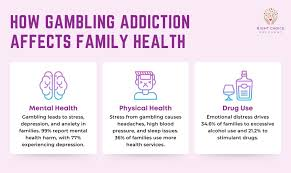
The rapid advancement of digital technology has reshaped modern lifestyles, including how people seek entertainment. Among these changes, online gambling has emerged as a highly accessible and increasingly popular activity. While it may initially appear harmless, especially for casual users, the risks associated with prolonged engagement are significant. Many individuals are introduced to gambling through seemingly low-risk options such as Slot Bet Kecil, but what begins as light entertainment can gradually evolve into a harmful dependency. This article examines five major negative impacts of online gambling addiction, focusing on its effects on mental health and financial stability.
1. The Subtle Onset of Psychological Dependence
Online gambling addiction often develops gradually, making it difficult to detect in its early stages. Individuals may start gambling occasionally as a way to unwind or escape daily stress. Because online platforms are easily accessible, users can engage at any time, increasing the likelihood of repeated exposure.
The structure of gambling games is designed to be engaging and rewarding, even when the outcomes are unfavorable. Features such as near wins and unpredictable rewards stimulate the brain’s pleasure centers, encouraging continued play. Over time, this can lead to compulsive behavior, where individuals feel an uncontrollable urge to gamble despite being aware of the risks. This psychological dependence can interfere with daily routines, reduce productivity, and negatively affect overall life satisfaction.
2. Heightened Risk of Anxiety and Depression
Mental health challenges are a common consequence of gambling addiction. As individuals lose control over their habits, they may begin to experience emotional distress. Feelings of guilt, shame, and regret often arise, especially after financial losses.
The pressure to recover lost money can create a cycle of stress and anxiety. Many individuals become preoccupied with their gambling activities, leading to sleep disturbances and difficulty concentrating. Over time, these issues can escalate into more serious conditions such as chronic anxiety or depression. The emotional toll of addiction can also diminish self-esteem, making it harder for individuals to seek help or break free from the cycle.
3. Financial Instability and Long-Term Debt
One of the most visible and damaging effects of online gambling addiction is financial loss. What may start as small, manageable bets can accumulate into significant losses over time. As individuals attempt to recover their losses, they may increase the frequency and size of their bets, often without a clear strategy.
This behavior can quickly lead to financial instability. Savings may be depleted, and individuals may rely on credit or loans to continue gambling. In severe cases, debt can spiral out of control, creating long-term financial burdens. The stress associated with financial difficulties can further exacerbate mental health issues, creating a cycle that is difficult to escape.
4. Strained Personal and Professional Relationships
Addiction often disrupts personal relationships, and online gambling is no exception. As individuals become more focused on gambling, they may neglect responsibilities at home and work. Time that was once spent with family or friends may be replaced by hours spent online.
Trust can be severely damaged when financial problems or secretive behavior come to light. Loved ones may feel betrayed or frustrated, leading to conflict and emotional distance. In professional settings, decreased focus and productivity can impact job performance, potentially resulting in disciplinary action or job loss. These social consequences can leave individuals feeling isolated, further deepening their reliance on gambling as a coping mechanism.
5. Impaired Judgment and Loss of Self-Control
A critical aspect of gambling addiction is the decline in decision-making ability. As individuals become more immersed in gambling, their ability to evaluate risks and consequences diminishes. They may begin to prioritize gambling over essential needs, such as paying bills or maintaining their health.
Cognitive distortions play a significant role in sustaining addiction. Many individuals develop irrational beliefs, such as the idea that they are due for a win or that they can control random outcomes. These misconceptions encourage continued gambling, even in the face of repeated losses. The loss of self-control not only perpetuates the addiction but also increases the likelihood of severe personal and financial consequences.
Conclusion
Online gambling may offer temporary excitement, but its long-term effects can be deeply damaging. Addiction to these platforms can negatively impact mental health, financial stability, relationships, and overall quality of life. What begins as casual entertainment can quickly evolve into a serious problem if not managed carefully.
Raising awareness about the risks of online gambling is essential in preventing addiction. Individuals should remain mindful of their habits and recognize early warning signs before they escalate. For those already affected, seeking professional support and building a strong support system are crucial steps toward recovery.
