
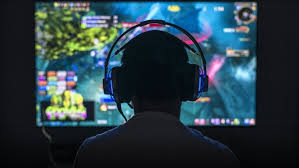
There was a time when playing a ebet188 game meant sitting alone in front of a screen, finishing levels one by one, and turning the console off when you were done. Today, that world feels almost ancient. Now, when you log into an online game, you’re stepping into a space that never really sleeps. Someone, somewhere, is always playing. And honestly, that’s part of the thrill.
Online games are video games connected through the internet, allowing players to compete or cooperate in real time. It sounds simple, but the experience is anything but. Instead of playing against predictable computer programs, you’re matched with real people. They make unexpected moves. They think creatively. They react emotionally. Every match feels different, and that unpredictability keeps players hooked.
One reason online games are so popular today is accessibility. You don’t need expensive equipment to get started. A smartphone is enough for many multiplayer games. Consoles and PCs offer deeper experiences, but the entry barrier is lower than ever. With faster internet connections and powerful devices, anyone can jump into a virtual world within seconds.
But access alone doesn’t explain the obsession. The real reason online gaming has exploded is connection.
I’ve had nights where I logged in just to relax, only to end up in deep conversations with teammates while waiting for the next round. We’d talk about the game, sure, but also about work stress, school exams, or random life stories. It’s funny how natural it feels to open up to someone you’ve never met in person. Online games create shared moments, and shared moments build bonds.
There are many types of online games, each offering a different flavor of excitement. Competitive shooters test reflexes and focus. Strategy games reward careful planning. Online role-playing games let you become a warrior, wizard, or explorer in a massive digital universe. Sports and racing games bring real-world action into virtual form. Even simple puzzle or card games can turn competitive when real opponents are involved.
Personally, I enjoy games that require teamwork. There’s something powerful about coordinating with others toward a common goal. When everyone communicates clearly, adjusts strategies, and trusts one another, the result feels bigger than a simple win. It feels like achievement.
At the same time, online gaming isn’t always smooth. Let’s be real — losing can sting. Especially when you’ve invested time into improving your skills. There are moments when frustration creeps in. Maybe your team didn’t cooperate. Maybe you made a mistake at the worst possible time. These experiences can test your patience.
Yet, that’s part of the growth.
Online games teach resilience. You learn to handle setbacks. You review what went wrong and try again. Over time, you develop quicker thinking and sharper focus. Fast-paced matches improve reaction time, while strategic games encourage long-term planning. Without realizing it, players often build skills that extend beyond the screen.
However, balance is crucial. The immersive nature of online games can make hours disappear. I’ve experienced that “time warp” more than once. What feels like thirty minutes turns into three hours. That’s when self-discipline matters. Taking breaks, setting limits, and staying active outside the game world keeps things healthy.
Another important aspect is mindset. Online gaming can become overly competitive if you let rankings and statistics control your mood. Chasing higher scores is exciting, but when it turns into stress, the fun fades. I’ve learned to focus on improvement instead of perfection. Every match is a chance to learn something new, not just a test of skill.
The online gaming industry has also evolved far beyond casual entertainment. Esports tournaments now attract massive audiences. Professional players train for hours daily. Streamers build communities around their gameplay, turning passion into income. What once seemed like a simple hobby has become a global phenomenon.
Still, beneath all the lights and leaderboards, online gaming remains deeply personal. It’s about those clutch moments when your heart races. It’s about laughing with teammates after a silly mistake. It’s about the quiet satisfaction of mastering a skill that once seemed impossible.
Online games are digital playgrounds where creativity, competition, and community blend together. They connect strangers across continents and create shared experiences that feel surprisingly real. They challenge us, entertain us, and sometimes even teach us valuable lessons about teamwork and patience.
In the end, online gaming is what you make of it. It can be a stress reliever, a social platform, a competitive arena, or all three at once. As long as we approach it with balance and the right attitude, it remains a powerful and positive part of modern life.
