
Introduction
When an emergency occurs inside a busy building, people need more than clear instructions. They need reliable systems that help them communicate, find safe routes, and alert the right people when assistance is required. This is particularly important in workplaces, healthcare facilities, care environments, and other buildings where occupants may have different levels of mobility.
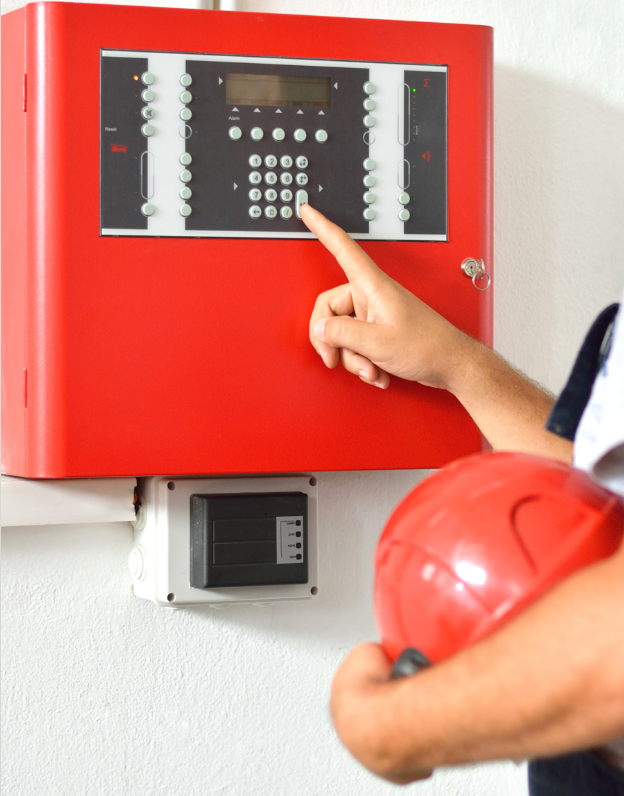
Professional Emergency Systems Telford services can help businesses and property managers design, install, maintain, and test essential safety equipment. These systems can include emergency lighting, disabled refuge alarms, disabled toilet alarms, and patient or nurse call systems.
A carefully planned emergency installation does not simply provide equipment; it creates a structured way for people to raise an alarm and for staff to respond appropriately.
Understanding the Role of Emergency Systems
Emergency systems are designed to support people when normal building operations are interrupted or when an individual requires immediate assistance.
In a commercial or industrial property, for example, a mains power failure could leave parts of the building poorly illuminated. In an emergency evacuation, people may need clearly visible routes towards exits. A person with restricted mobility may also need a reliable method of communicating from a designated refuge area.
This is why emergency systems should be considered as part of the wider electrical and safety infrastructure of a building.
Experienced Electrical Services Telford providers can assess the property, identify appropriate systems, and integrate them into the building’s existing electrical installation.
Disabled Refuge Communication Systems
A disabled refuge alarm can provide an important communication link within multi-storey buildings.
During a fire or another emergency, lifts may become unavailable, meaning a person who cannot easily use stairs may need to remain temporarily at a designated refuge point. These areas are commonly positioned around locations such as stairwells or lift lobbies.
A refuge communication system can allow the person at the refuge point to contact a central reception or control location. When activated, the system can alert staff at the main communication point so that assistance can be coordinated.
This type of installation demonstrates why emergency planning needs to consider the needs of everyone using a building, rather than focusing solely on standard evacuation procedures.
Disabled Toilet Alarm Systems
Accessible toilet facilities can also require dedicated alarm arrangements.
A typical disabled toilet alarm may use a pull cord that can be activated by an occupant who needs assistance. An external indicator, such as a light or audible device, can alert people outside the room that the alarm has been triggered.
In larger premises, the alarm may also communicate with a central panel located at reception or another appropriate location.
The system should be positioned and configured carefully so that it can be reached and understood when assistance is needed. Regular inspection can also help identify problems such as damaged pull cords, faulty indicators, or communication failures.
Emergency Lighting for Power Failures
Emergency lighting is another important component of building safety.
If the normal electrical supply fails, emergency lighting can automatically provide illumination to help people navigate the building. Rather than leaving corridors, stairways, and other areas in darkness, the emergency system can provide suitable low-level lighting and illuminate designated escape routes.
Illuminated signs and directional indicators can also help occupants identify the appropriate way out.
For businesses, this means emergency lighting should not be viewed simply as another lighting installation. Its purpose is closely connected to evacuation and building safety, making correct design, installation, inspection, and maintenance particularly important.
Nurse Call and Patient Call Systems
Healthcare and care environments have different requirements from offices and industrial buildings. Patients may need to alert staff from rooms, treatment areas, or other locations without being able to leave their position.
Patient and nurse call systems can provide a practical communication method. Depending on the installation, a call may be initiated through a pull cord, handset, or button. The activation can then trigger a local indicator and communicate the call to a master panel in an appropriate staff area.
These systems can be useful in hospitals, medical centres, care homes, and similar facilities where staff need to know where assistance has been requested.
A well-designed system can make it easier for staff to identify the location of an active call and respond accordingly.
Designing Emergency Systems Around the Building
Every property has its own layout, occupancy levels, and operational requirements. Consequently, emergency equipment should not simply be installed without considering the building as a whole.
An electrical contractor can assess factors such as:
- Building layout and access routes
- Number of floors and escape routes
- Areas requiring emergency communication
- Existing electrical infrastructure
- Occupant requirements
- Locations of reception or control panels
- Emergency lighting requirements
- Maintenance and testing needs
This approach helps create a system that is appropriate for the property rather than relying on generic equipment placement.
How Electrical Services Support Emergency Protection
Emergency equipment depends on reliable electrical infrastructure. This is where comprehensive Electrical Services Telford can become valuable.
A contractor may be involved in the electrical design, installation, power supplies, cabling, testing, repairs, and ongoing maintenance associated with emergency systems.
Electrical services can also extend to other building requirements, including lighting, distribution, data cabling, fire alarm systems, access control, and general electrical maintenance.
Having these services managed by an experienced electrical contractor can make it easier to coordinate different systems and identify potential issues across the wider installation.
Installation Is Only the Beginning
Emergency equipment needs to remain dependable after installation. A system that worked correctly when first installed may develop faults over time due to damaged components, electrical issues, wear, or changes to the building.
Regular servicing and maintenance can help keep equipment in suitable working condition. Testing can also identify problems that may otherwise remain unnoticed until the system is actually needed.
For businesses and property managers, keeping appropriate records of inspections and maintenance can form part of a wider approach to electrical and building safety.
Benefits of Professionally Maintained Emergency Systems
Better Emergency Communication
Communication systems can provide occupants with a way to request help and can alert responsible staff to the location of an emergency call.
Improved Evacuation Support
Emergency lighting and illuminated directional signs can make escape routes easier to identify when normal lighting is unavailable.
Greater Accessibility
Disabled refuge and toilet alarm systems can help provide additional safety measures for people who may require assistance within a building.
Suitable Solutions for Specialist Environments
Patient and nurse call systems can be designed around healthcare and care environments where rapid communication between occupants and staff is important.
Ongoing Reliability
Planned inspection and maintenance can help identify faults before they affect the operation of emergency equipment.
Why Professional Installation Matters
Emergency systems have a specific purpose and should be installed with careful attention to the building’s requirements and applicable standards and guidance.
An experienced contractor can help from the initial design stage through to installation, servicing, testing, and maintenance. This provides property owners with a more complete service instead of simply purchasing and fitting individual devices.
Professional installation can also help ensure that emergency systems work alongside other electrical and safety infrastructure within the property.
Choosing an Emergency Systems Contractor in Telford
When selecting a contractor, property owners should consider experience, qualifications, insurance, technical knowledge, and the ability to provide ongoing support.
It is also useful to establish whether the contractor can handle the complete process. Design, installation, servicing, maintenance, and testing may all be required over the lifetime of an emergency system.
For larger commercial projects, working with a contractor that can also provide broader electrical services can simplify project coordination and future maintenance.
Conclusion
Emergency systems are an important part of creating safer and more accessible buildings. From emergency lighting and disabled refuge communication to accessible toilet alarms and patient call systems, each solution can serve a specific purpose during situations where reliable communication and guidance are essential.
Professional Emergency Systems Telford services can help property owners select systems appropriate to their building and ensure that installations are properly designed, maintained, and supported.
At the same time, dependable Electrical Services Telford can provide the wider infrastructure needed to keep emergency equipment, lighting, power, distribution, and other electrical systems operating effectively. With professional planning and regular maintenance, businesses and building managers can create a more dependable safety environment for everyone who uses their premises.
