



Introduction
A temporary power requirement can arise in places where electricity would not normally be available. A new building site may not yet have a permanent connection, while an outdoor wedding, market or marquee may need electricity for lighting, catering and other equipment.
For these situations, hiring rather than buying can be a straightforward way to obtain suitable machinery for a specific period. Local plant hire in Telford can give contractors, businesses and event organisers access to equipment close to their operating area, including generators designed for temporary power applications.
Why Generator Capacity Needs Careful Attention
Generator capacity is one of the first specifications to consider. A generator should be capable of supporting the equipment connected to it without being placed under an unsuitable load.
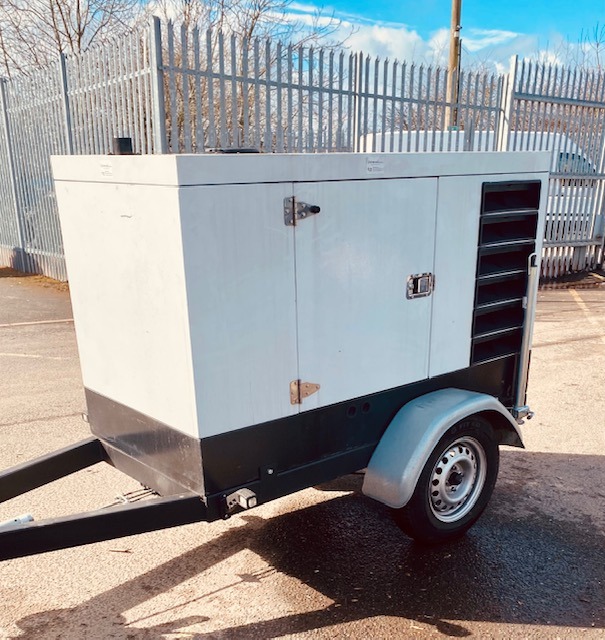
For some temporary applications, a trailer-mounted 3-phase generator around 22 KVA can offer a useful source of electrical power. Equipment of this type may be suitable for temporary warehouses, construction sites and outdoor events, depending on the project’s electrical requirements.
However, the stated capacity should not be treated as the only deciding factor. The type of equipment being powered, how many items will run simultaneously and their starting requirements all deserve consideration.
Create a Power List Before Hiring
Before booking a generator, write down everything that will require electricity.
For a construction project, this could include tools, site lighting, temporary facilities and other equipment. An event may have a completely different load, with lighting, sound equipment, refrigeration, catering equipment and other services potentially operating at the same time.
Once the list is prepared, the expected demand can be assessed more accurately. It is better to establish these requirements before delivery than discover on the day that the selected generator does not suit the application.
If the electrical demand is unclear, discussing the project with the hire provider can help identify the most appropriate option.
Construction Sites Have Different Priorities
Construction environments often need temporary electricity before permanent site infrastructure is available. Power may be required for lighting, tools and equipment during different stages of a project.
The generator’s location should be planned alongside other site activities. Construction vehicles need access, materials may be stored nearby and workers need clear routes around the site.
A trailer-mounted unit can be advantageous where equipment needs to be transported to and positioned at a temporary location. Site access should nevertheless be checked beforehand so that delivery and positioning can be carried out efficiently.
Outdoor Events Require More Than Electricity
Events present a different set of challenges. A generator may need to support electrical systems while remaining as unobtrusive as possible.
At a wedding or marquee event, for example, organisers may need electricity for lighting, catering equipment and other services. Noise and positioning can therefore be important considerations.
The generator should be placed in an appropriate location away from areas where guests will gather, while still allowing cables and connections to be managed properly. Organisers should also make sure that the equipment is suitable for the intended electrical setup.
For larger public events, advance planning is particularly important because an interruption to power can affect multiple services simultaneously.
Don’t Overlook Fuel and Running Time
The length of the hire can influence the practical cost and management of a generator. A unit operating for a few hours at an event has different requirements from one supporting a construction project throughout a working day.
Customers should find out how the generator is fuelled and establish how fuel requirements will be handled throughout the hire period.
It is also sensible to consider when the generator will actually be switched on. Event organisers may need power before attendees arrive, while construction teams may require electricity throughout their working hours.
Generator Placement Should Be Planned Early
Choosing a location at the last minute can create unnecessary problems. The generator needs a suitable operating position with sufficient space and appropriate access.
Noise should be considered, especially around residential areas and events. Equipment should also be positioned so that it does not interfere with pedestrian routes, vehicles or other site operations.
The electrical connection layout should be considered at the same time. Keeping the generator reasonably practical in relation to the equipment it supplies can help simplify the overall setup.
The Advantage of Using a Local Hire Provider
Working with a local company can make temporary equipment arrangements more convenient. Customers can discuss their requirements before the hire begins and arrange delivery or collection according to the project.
For businesses operating in Telford, access to a local provider can be particularly useful when equipment is required at short notice or when transport of larger machinery would otherwise be inconvenient. Coverage can also extend to surrounding areas such as Shrewsbury and the wider West Midlands.
The goal should be to find a provider that offers suitable equipment and can provide clear information about the hire process.
Making the Most of 20KVA Generator Hire Telford
When a project requires substantial temporary power, choosing the generator should be part of the planning process rather than an afterthought. A 20 KVA-class generator may be appropriate for certain applications, but its suitability depends on the actual electrical demand.
Before arranging 20KVA Generator Hire Telford, confirm the equipment that needs power, expected operating hours, fuel arrangements, delivery access and generator positioning. These simple checks can help avoid complications once the project is underway.
Conclusion
Temporary power supports many activities that cannot rely on a permanent mains connection. Construction work, warehouse operations and outdoor events can all benefit from appropriately selected generator equipment.
Hiring provides flexibility for customers who need power for a limited period, while a local provider can make delivery and collection easier to coordinate. By assessing the load, running time and site conditions beforehand, customers can approach generator hire with greater confidence and ensure the equipment fits the practical demands of the project.