
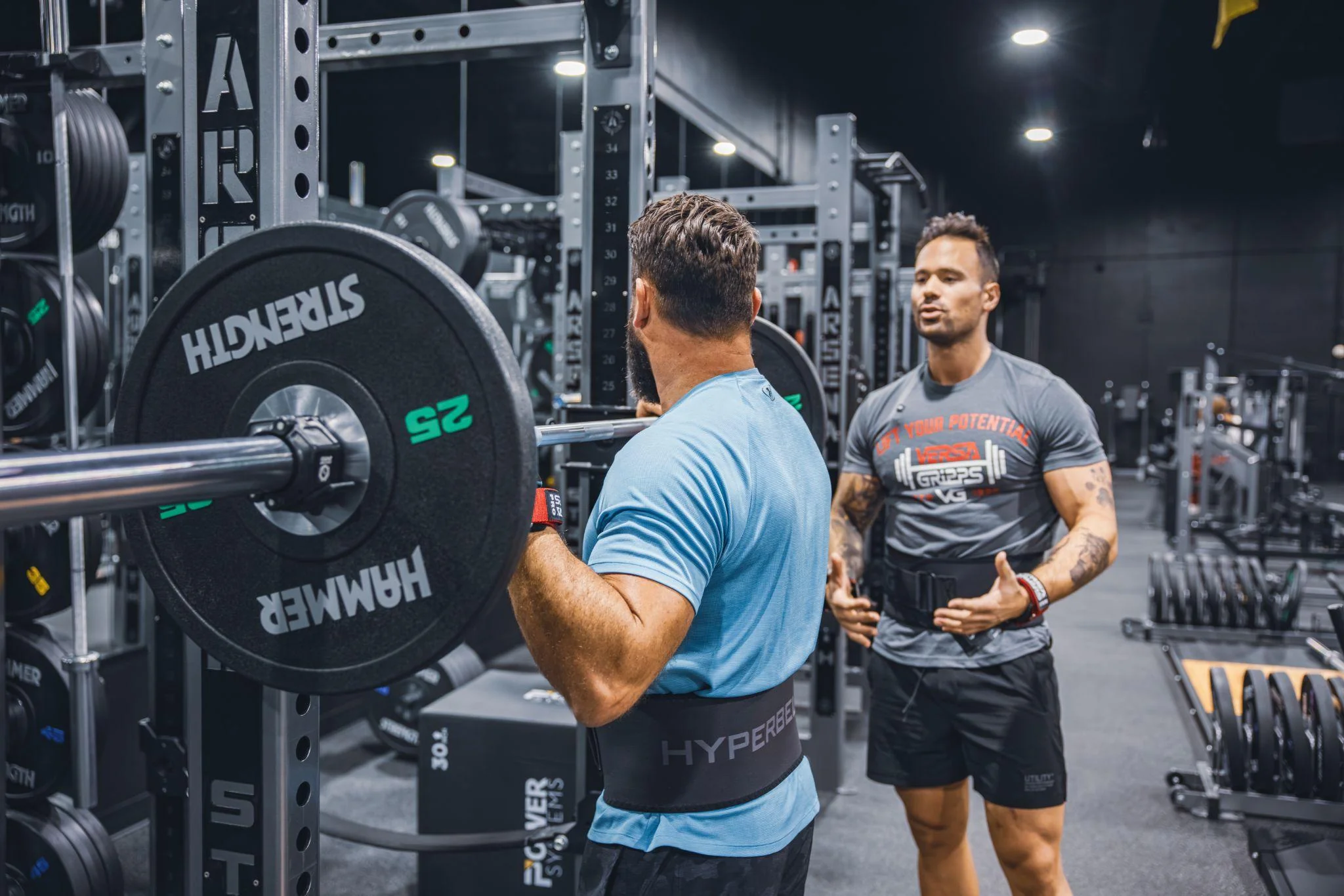
Fitness in 2026 is no longer just about lifting heavier weights or running longer distances—it’s about training smarter, safer, and more efficiently. The rapid integration of advanced technology, data-driven insights, and user-focused design has transformed fitness equipment into intelligent tools that actively guide your workouts. Whether you’re setting up a home gym or upgrading your fitness routine, understanding these trends can help you maximize results and stay ahead of the curve.
AI-Powered Smart Equipment
Artificial intelligence is the most influential trend shaping fitness equipment in 2026. Modern machines are no longer passive—they actively analyze your performance and adapt in real time. Smart treadmills, bikes, and strength machines now come equipped with AI systems that monitor your heart rate, movement, and fatigue levels.
These systems provide personalized coaching, adjust resistance automatically, and even correct your form during exercises. Instead of following a static routine, users benefit from workouts that evolve based on their progress and physical condition. This shift from reactive tracking to proactive coaching is redefining how people train.
AI-powered equipment also enhances safety by reducing the risk of injury. By analyzing movement patterns and biomechanics, these machines can detect improper form and provide instant feedback. As a result, users can train more effectively without constant supervision from a personal trainer.
Connected Fitness Ecosystems
Another major trend is the rise of connected fitness ecosystems. In 2026, fitness equipment doesn’t operate in isolation. Instead, machines, wearable devices, and mobile apps work together to create a seamless training experience.
For example, your smartwatch can track your sleep and recovery, while your smart bike adjusts resistance based on that data. Cloud-based platforms store your workout history, allowing you to monitor progress and receive personalized recommendations.
This integration of hardware and software enables a more holistic approach to fitness. Users can track not only workouts but also recovery, nutrition, and overall health metrics. The growing adoption of connected fitness systems is driven by the demand for real-time insights and personalized experiences.
Multi-Functional and Space-Saving Equipment
With the increasing popularity of home workouts, space-saving equipment has become essential. Multi-functional machines that combine several workout options into one unit are replacing traditional single-use equipment.
These systems allow users to perform strength training, cardio, and functional exercises using a single piece of equipment. Adjustable benches, cable systems, and hybrid machines provide versatility without requiring a large workout area.
This trend is particularly beneficial for people living in apartments or small homes. It also reflects a broader shift toward efficiency and convenience, where users seek maximum results with minimal space and equipment.
Adaptive Resistance Technology
Traditional weights are being enhanced—or even replaced—by adaptive resistance systems. These machines use motors and algorithms to adjust resistance dynamically during workouts.
Instead of lifting fixed weights, users experience resistance that changes based on their strength, speed, and range of motion. This creates a smoother and more efficient workout while reducing joint stress.
Adaptive resistance also allows for more precise training. Beginners can start with lighter resistance, while advanced users can push their limits without manually changing weights. This flexibility makes fitness equipment more accessible and effective for people of all fitness levels.
Immersive and Gamified Workouts
One of the biggest challenges in fitness is staying motivated. To address this, manufacturers are incorporating immersive and gamified features into their equipment.
Modern machines offer virtual environments, live classes, and interactive challenges that make workouts more engaging. Users can cycle through scenic landscapes, compete in virtual races, or follow instructor-led sessions—all from home.
Gamification adds an element of fun and competition, encouraging consistency and long-term commitment. This trend is especially popular among younger users who prefer interactive and tech-driven experiences.
Functional Training Equipment
Functional training continues to gain popularity in 2026. Unlike traditional gym equipment that isolates specific muscles, functional equipment focuses on movements that mimic real-life activities.
Tools like kettlebells, resistance bands, suspension trainers, and balance trainers help improve strength, mobility, and coordination. These workouts engage multiple muscle groups simultaneously, making them highly efficient.
Functional training is ideal for people who want to improve overall fitness rather than just build muscle. It also supports injury prevention and enhances daily performance.
Recovery-Focused Equipment
Recovery is no longer an afterthought—it’s a core part of fitness in 2026. Modern fitness routines emphasize the importance of rest and recovery for long-term performance.
Equipment such as massage guns, compression boots, and recovery rollers are becoming standard in both home gyms and fitness centers. These tools help reduce muscle soreness, improve circulation, and speed up recovery.
This trend reflects a broader shift toward sustainable fitness practices. Instead of pushing the body to its limits, users are focusing on balanced training that includes proper recovery.
Hybrid Home Gym Solutions
The line between home and commercial gyms continues to blur. Hybrid home gym solutions combine professional-grade equipment with compact, user-friendly designs.
These setups often include smart mirrors, foldable machines, and all-in-one training systems. Users can switch between strength training, cardio, and flexibility exercises without leaving home.
Hybrid gyms offer convenience and flexibility, making it easier for people to maintain consistent workout routines. They also cater to busy lifestyles, allowing users to exercise anytime without commuting to a gym.
Data-Driven Performance Tracking
Data is at the heart of modern fitness. Advanced equipment now provides detailed insights into performance, including calories burned, heart rate, strength output, and recovery status.
These metrics help users make informed decisions about their training. Instead of guessing, individuals can adjust their workouts based on real data, leading to better results.
Data-driven fitness also enhances motivation. Seeing progress over time encourages users to stay consistent and set new goals.
Sustainable and Eco-Friendly Equipment
Sustainability is becoming a priority in the fitness industry. Manufacturers are designing equipment using eco-friendly materials and energy-efficient technologies.
Some machines are even self-powered, generating electricity as you exercise. This reduces environmental impact while promoting a greener lifestyle.
Consumers are increasingly choosing brands that align with their values, making sustainability a key factor in purchasing decisions.
Conclusion
The fitness equipment landscape in 2026 is defined by innovation, personalization, and efficiency. From AI-powered machines to eco-friendly designs, these trends are transforming how people approach their workouts. Technology is making fitness more accessible, engaging, and effective than ever before.
The key takeaway is simple: fitness is no longer about working harder—it’s about working smarter. By embracing these trends, you can create a workout routine that is not only effective but also enjoyable and sustainable. Whether you’re a beginner or an experienced athlete, the right equipment can help you reach your goals faster and maintain a healthier lifestyle in the long run.
